Flea Identification & Prevention

What Are Fleas?

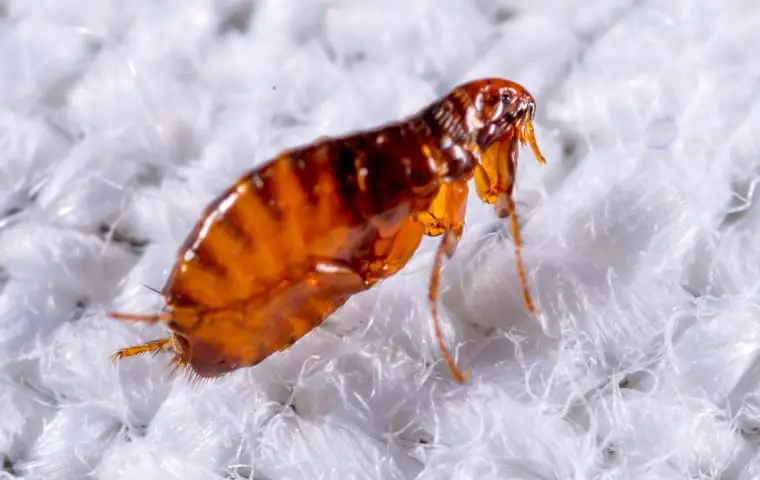
The flea is one of the most common pests you’ll find living on animals with fur. Adult fleas are tiny, wingless insects that are dark brown and only grow to about the size of a speck of dirt. Their bodies appear flattened from side to side and they have large hind legs they use for jumping. While there may be around 300 species of fleas living in the United States, the most common is the cat flea. Despite their descriptive name, cat fleas feed on a variety of hosts including cats, dogs, rodents, wild animals, and even people.

Are fleas dangerous?

Fleas pose a danger to both people and pets. They use their powerful hind legs to move through the fur of their host, and use their modified mouthparts to pierce the skin and suck out their blood. A flea bite appears as a small red spot that is encircled by a reddish halo. If a person or animal is allergic to flea saliva, they may develop allergic dermatitis which is very itchy and uncomfortable. Constant itching can cause a secondary infection that requires medical attention. Pets and animals severely infested with fleas may become anemic, making them weak and ill. Additionally, these blood-feeding pests are responsible for spreading diseases and are intermediate hosts for parasitic tapeworms.

Why do I have a flea problem?

Fleas are introduced onto properties by wild animals like deer, mice, rabbits, skunks, squirrels, and chipmunks, so they can become a problem on any property whether or not pets are present. Once on your property, it is common for fleas to jump onto people or pets and make their way into homes. Fleas also find their way inside on used furniture or rugs. Fleas are prolific breeders and can breed successfully indoors. A single flea can produce 400-500 offspring in their lifetime. Therefore, just a few fleas finding their way inside can quickly turn into an infestation of hundreds or thousands of fleas. Additionally, flea eggs could be lying dormant inside if a pet owner has previously occupied your home. Once these eggs hatch, a flea infestation develops.

Where will I find fleas?

Fleas are mainly outdoor pests, living in the fur of their hosts. If they have fallen off, they will hide out in damp, shady areas until they jump onto a new host. Flea populations can develop in areas of high grass, under piles of debris, or in the dirt underneath bushes, decks, and porches. Inside, fleas are found either on our pets or hiding in places like behind baseboards, in cracks of floors, upholstered furniture and rugs, or pet bedding.

How do I get rid of fleas?

Get rid of fleas the easy way by partnering with an experienced, local pest control expert. Great American Pest Solutions is a family-owned and locally operated company that has over 10 years of experience keeping Metro Atlanta area properties free of pests. Our registered and certified professionals provide highly effective pest control services that eliminate fleas and minimize their return. To learn more about our exceptional, 100% guaranteed residential or commercial pest control solutions, contact Great American Pest Solutions today!

Great American Pest Solutions' Blog

What's Buggin' You?

Expert Pest Protection Starts Here!

For professional pest control you can actually count on in Metro Atlanta, fill out our quick form. One of our experts will be in touch soon to help you take back your space.

How can I prevent fleas in the future?

Keep disease-spreading cockroaches out of your Dallas Metro area home or business with the following prevention tips:
  • Keep biting fleas out of your Metro Atlanta area home or business with the help of the following prevention tips:

    • Seal openings in the exterior of your home that may allow rodents and other wild animals to find their way inside.
    • Place all pets on a year-round flea control program under the guidance of their veterinarian.
    • Inspect the clothing of yourself and family members after spending time outside.
    • If you own pets, regularly bathe and groom them.
    • Keep your lawn cut short.
    • Regularly wash pet bedding and your family’s bedding.
    • Do not purchase used rugs and upholstered furniture for your home.
    • Vacuum your house regularly especially in areas where your pets spend the most time.
    • Trim back overgrown shrubs and bushes to allow the sun to hit the ground and dry out the soil.
    • Remove bird feeders and keep tight-fitting lids on trash cans and compost bins to reduce food sources for wild animals on your property.

Contact Us Today

At Great American Pest Solutions, we’re always ready to take your calls! Give us a call or fill out the form below to contact one of our team members.

By submitting, you agree to receive text messages from Great American Pest Solutions at the number provided, including those related to your inquiry, follow-ups, and review requests, via automated technology. Consent is not a condition of purchase. Msg & data rates may apply. Msg frequency may vary. Reply STOP to cancel or HELP for assistance. Acceptable Use Policy Send Message