
STINGING INSECTS
STINGING INSECTS Identification & Prevention
What Are Stinging Insects?
- Yellow Jackets: Aggressive wasps with yellow and black stripes, often found near garbage cans or picnics. They build nests in ground burrows, walls, or trees and are highly active in late summer.
- Paper Wasps: Slender wasps with reddish-brown bodies and papery nests, often under eaves or in shrubs. They’re less aggressive but will sting if their nest is disturbed.
- Hornets: Larger than wasps, hornets like the bald-faced hornet are common in Atlanta. They build football-shaped nests in trees or on buildings and can be very defensive.
- Honey Bees: While vital pollinators, honey bees can sting if threatened. They’re often found near flowers or forming hives in tree hollows or attics.
- Fire Ants: Though not true “stinging insects” in the winged sense, fire ants deliver painful, burning stings. They build mounds in yards and are a major nuisance in Atlanta’s warm climate.
Are Stinging Insects Dangerous? Understanding the Risks
- Painful Stings: Stings from yellow jackets, hornets, paper wasps, honey bees, or fire ants cause immediate pain, redness, and swelling. Fire ant stings, in particular, create a burning sensation followed by itchy pustules that can persist for days.
- Allergic Reactions: For some individuals, stings can trigger severe allergic reactions, known as anaphylaxis, which may include symptoms like difficulty breathing, swelling of the throat or face, dizziness, or rapid heartbeat. Anaphylaxis is a medical emergency and is a significant concern in Atlanta, where stinging insects are prevalent.
- Multiple Stings: Yellow jackets, hornets, and fire ants can sting multiple times, increasing the risk of systemic reactions, especially if a nest or mound is disturbed. In rare cases, multiple stings can lead to toxic reactions, causing nausea, fever, or organ stress.
- Secondary Infections: Scratching sting sites, particularly fire ant pustules, can introduce bacteria, leading to infections like cellulitis, which is a concern in Atlanta’s humid climate that fosters bacterial growth.
- Fear and Anxiety: Encounters with stinging insects, especially aggressive ones like yellow jackets or hornets, can create fear of outdoor activities. Atlanta residents may avoid backyards, parks, or patios, limiting their enjoyment of the city’s warm weather.
- Disruption of Daily Life: Nests near homes, businesses, or public spaces can disrupt outdoor events, such as barbecues or festivals, which are common in Atlanta’s vibrant community. Fire ant mounds in yards or parks can make these areas unusable without treatment.
- Structural Damage: Hornets, yellow jackets, and honey bees may build nests in or on structures, such as attics, walls, or eaves. Honey bee hives, for example, can cause damage by leaking honey or attracting other pests. Removal often requires costly professional intervention.
- Business Impacts: For Atlanta businesses like restaurants, hotels, or outdoor venues, stinging insects can drive away customers and harm reputation. Fire ants in landscaping or wasps near patios can create unsafe environments for patrons.
- Treatment Costs: Professional pest control services, necessary for safe nest removal or fire ant mound treatment, can be expensive, especially for severe infestations.
- Spread in Urban Areas: Atlanta’s dense population and status as a travel hub increase the risk of stinging insect encounters. Yellow jackets and fire ants, for example, thrive in urban parks, construction sites, and suburban yards, spreading easily in shared spaces.
- Threat to Pets and Children: Pets and young children are particularly vulnerable to stings, as they may unknowingly disturb nests or mounds. Fire ants, common in Atlanta’s green spaces, are especially problematic for curious pets or kids playing outdoors.
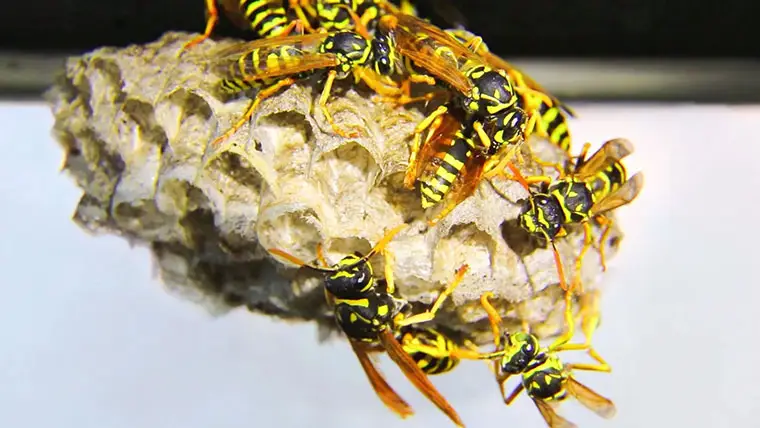
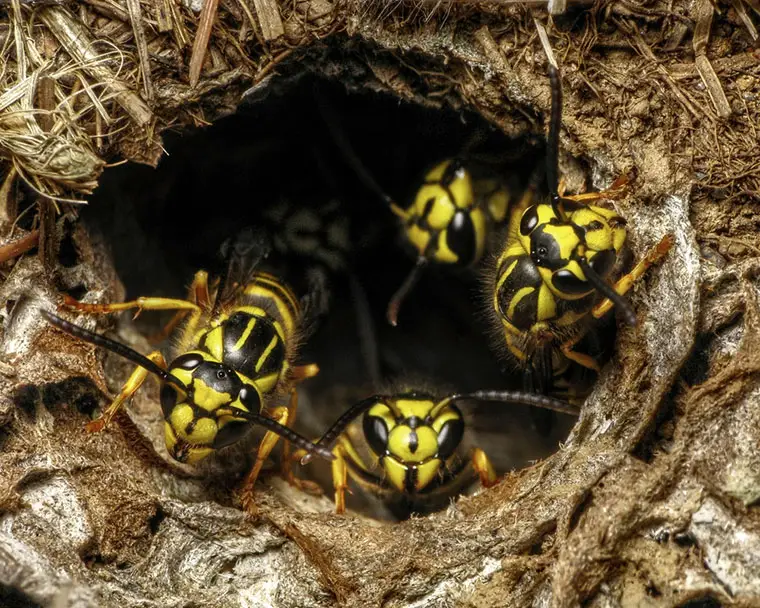
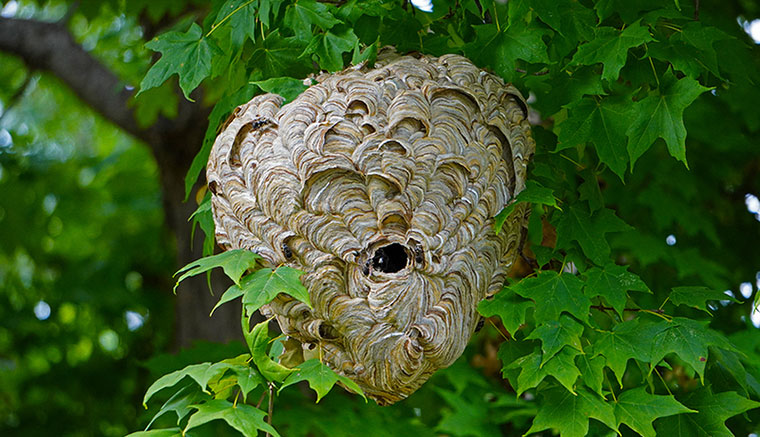
Why do I have a stinging insect problem?
- Warm, Humid Weather: Atlanta’s subtropical climate, with hot summers and mild winters, provides a near-perfect habitat for stinging insects. Yellow jackets, hornets, and paper wasps thrive in warm weather, remaining active from spring through fall, while fire ants can persist year-round in Atlanta’s warm soil.
- Abundant Vegetation: Atlanta’s lush landscapes, including trees, shrubs, and gardens, offer ideal nesting sites for paper wasps (in shrubs or under eaves), hornets (in trees), and honey bees (in tree hollows or attics). Fire ants build mounds in sunny, grassy areas common in Atlanta’s yards and parks.
- Urban and Suburban Settings: Atlanta’s mix of urban and suburban areas provides ample nesting opportunities. Yellow jackets and hornets often nest in wall voids, attics, or abandoned structures, while fire ants invade lawns, playgrounds, and construction sites.
- Food Waste and Sugary Substances: Yellow jackets are particularly attracted to sugary foods, meats, and garbage, making outdoor dining areas, trash cans, or compost bins prime targets. Atlanta’s vibrant outdoor lifestyle, with barbecues and festivals, can unintentionally draw these pests.
- Standing Water: Stinging insects like wasps and hornets need water to survive. Puddles, birdbaths, clogged gutters, or leaky outdoor faucets on your property can serve as water sources, especially during Atlanta’s hot, dry summer months.
- Flowering Plants: Honey bees and paper wasps are drawn to flowering plants and gardens, which are common in Atlanta’s residential and commercial landscapes. These plants provide nectar and pollen, attracting pollinators and other stinging insects.
- Structural Vulnerabilities: Unsealed cracks, gaps in siding, or open vents in your home or business can allow yellow jackets, hornets, or honey bees to build nests inside walls, attics, or crawlspaces. Paper wasps often choose sheltered areas like eaves or porch ceilings.
- Ground Conditions: Fire ants prefer loose, well-drained soil for their mounds, which is common in Atlanta’s lawns, parks, and disturbed areas like construction sites. If your property has bare patches or sandy soil, it’s more likely to attract fire ants.
- Undisturbed Areas: Overgrown vegetation, woodpiles, or cluttered outdoor spaces provide hiding spots for nests. Hornets and yellow jackets, for example, may build nests in dense bushes or stacked materials left untouched.
- Spring and Summer Activity: Stinging insect populations peak in Atlanta during spring and summer when colonies grow and foraging increases. Yellow jackets and hornets become more aggressive as they seek food to sustain their nests.
- Late Summer Aggression: In late summer and early fall, yellow jackets and hornets become more aggressive as natural food sources dwindle, leading them to scavenge more actively around human habitats.
- Year-Round Fire Ants: Unlike winged stinging insects, fire ants remain active in Atlanta’s mild winters, continuously expanding their colonies and invading new areas.
- Travel and Transport: Atlanta’s status as a major travel hub, with Hartsfield-Jackson Atlanta International Airport, increases the risk of introducing stinging insects. For example, honey bees may hitchhike in shipping containers or relocate to new areas during swarming season.
- Construction and Landscaping: New construction or landscaping projects in Atlanta can disturb fire ant mounds or wasp nests, causing them to relocate to nearby properties, including yours.
- Outdoor Events: Atlanta’s active outdoor culture, including tailgates, festivals, or backyard gatherings, can attract yellow jackets to food and drink, increasing the likelihood of nests forming nearby.
Where will I find stinging insects?
- Eaves, Soffits, and Roofs: Paper wasps and hornets often build nests under eaves, in soffits, or along rooflines. Their papery or football-shaped nests are commonly found in sheltered, high-traffic areas of Atlanta homes and commercial buildings
Continue Reading
- Attics and Wall Voids: Yellow jackets and honey bees may enter through small gaps or vents to nest inside attics, crawlspaces, or wall voids. Honey bee hives in walls can cause structural damage due to leaking honey, while yellow jacket nests can grow large and aggressive.
- Windows and Doors: Unsealed cracks or gaps around windows and doors allow stinging insects to enter indoor spaces. Yellow jackets and paper wasps are particularly adept at exploiting these entry points.
- Porches and Decks: Paper wasps frequently build open, umbrella-shaped nests under porch ceilings or deck railings, especially in Atlanta’s suburban neighborhoods where outdoor living spaces are common.
- Trees and Shrubs: Hornets, such as bald-faced hornets, build large, grayish nests in tree branches, while paper wasps prefer dense shrubs or low-hanging foliage. Honey bees may establish hives in tree hollows or abandoned structures in wooded areas.
- Ground Burrows: Yellow jackets often nest in abandoned rodent burrows, hollow logs, or soil cavities, especially in Atlanta’s grassy yards or parks. These underground nests can be hard to spot until disturbed.
- Fire Ant Mounds: Fire ants construct large, dome-shaped mounds in sunny, well-drained soil, commonly found in lawns, gardens, or along sidewalks. In Atlanta’s warm climate, these mounds can appear in both urban and suburban settings.
- Woodpiles and Debris: Stacked firewood, leaf piles, or cluttered outdoor storage areas provide hiding spots for yellow jacket or hornet nests. Overgrown vegetation or neglected landscaping in Atlanta properties can also harbor paper wasps.
- Garbage Cans and Dumpsters: Yellow jackets are strongly attracted to food waste, sugary drinks, and meat scraps, making unsecured trash cans or dumpsters in Atlanta’s restaurants, parks, or residential areas prime foraging spots.
- Outdoor Dining Areas: Patios, picnic areas, or barbecues, common in Atlanta’s vibrant outdoor culture, draw yellow jackets and paper wasps seeking food. Sugary sodas, fruit, or grilling meats are especially appealing.
- Standing Water: Clogged gutters, birdbaths, puddles, or leaky sprinklers provide water for wasps and hornets. Atlanta’s humid summers make these water sources critical for stinging insects’ survival.
- Gardens and Flowering Plants: Honey bees and paper wasps are drawn to flowering plants, fruit trees, or vegetable gardens, which are prevalent in Atlanta’s residential neighborhoods like Decatur or Buckhead.
- Parks and Playgrounds: Atlanta’s green spaces, such as Piedmont Park or Grant Park, are hotspots for fire ants, whose mounds thrive in open, sunny areas. Yellow jackets may also forage near picnic areas or trash cans in these locations.
- Construction Sites: Atlanta’s ongoing development disturbs fire ant colonies and wasp nests, causing them to relocate to nearby properties. Piles of soil or debris can harbor stinging insects.
- Apartment Complexes and Shared Buildings: In Atlanta’s dense urban areas, like Midtown or Downtown, stinging insects can spread between units. Yellow jackets or hornets may nest in shared spaces like balconies or courtyards, while fire ants can infiltrate communal lawns or landscaped areas.
- Spring and Summer: Yellow jackets, hornets, and paper wasps are most active during Atlanta’s warm months, building nests and foraging aggressively. Look for nests in trees, eaves, or ground burrows during this time.
- Late Summer and Fall: As food sources dwindle, yellow jackets become more aggressive, frequenting outdoor dining areas or garbage cans. Fire ants remain active year-round in Atlanta’s mild climate.
- Mild Winters: Unlike colder regions, Atlanta’s mild winters allow fire ants and some wasps to remain active, particularly in sunny, warm spots like south-facing yards or patios.
How do I get rid of stinging insects?
Get rid of stinging insects the easy way by partnering with an experienced, local pest control expert. Great American Pest Solutions is a family-owned and locally operated company that has over 10 years of experience keeping Atlanta area properties free of pests. Our certified professionals provide highly effective pest control services that eliminate stinging insects from your property and minimize their return. To learn more about our exceptional, 100% guaranteed residential or commercial pest control solutions, call Great American Pest Solutions today!
Great American Pest Solutions' Blog
The Drill is Real: How to Stop Carpenter Bees from Boring into Your Home
Do carpenter bee traps actually work? In short: Yes, but they aren't a "set it
7 Mistakes You’re Making with Flea and Tick Yard Care (and How to Fix Them)
Your backyard in Metro Atlanta should be a sanctuary for Saturday afternoon grilling and kids
Striped Strikers: Georgia’s Most Aggressive Mosquito
If you have tried to step out into your Georgia backyard for a midday grill-out
Kitchen Raiders: Why Ants Love Your Countertops and How to Stop Them
You walk into your kitchen, flip on the light for a midnight snack, and see
Don’t Wait for the Bite: Why Georgia’s Mosquito Season Starts NOW
The last few weeks in Metro Atlanta have been a rollercoaster. One day you’re pulling
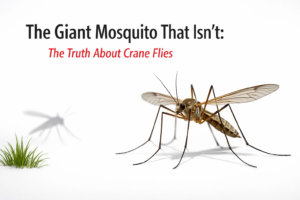
The Giant Mosquito That Isn’t: The Truth About Crane Flies
If you live in Marietta, Smyrna, or Kennesaw, you’ve probably seen them. You’re sitting on
For professional pest control you can actually count on in Metro Atlanta, fill out our quick form. One of our experts will be in touch soon to help you take back your space.
“The Best”
“I trust them in my home, with my pet, and putting my mind at ease to prevent pests and maintain my home staying pest free.”
- Carolyn G.
“Problem Solved!”
“Thorough and professional. Explained just what the issues were and then fixed them. Quickly..”
- Reed T.
“First Class All the Way”
“Did an awesome job getting the critters out and stopping them from getting back in! A pleasure to do business with. Highly recommend!”
- Alex M.
How can I prevent bed bugs in the future?
Keep bed bugs out of your Metro Atlanta area home or business with the help of the following prevention tips:
- Eliminate Food Attractants
- Secure trash cans with tight lids and clean them regularly to deter yellow jackets.
- Clean up food or drink spills immediately, especially sugary or meaty residues, common during Atlanta’s outdoor events.
- Store pet food and compost indoors or in sealed containers to avoid attracting wasps or fire ants.
- Cover outdoor food with mesh screens during barbecues or picnics.
- Remove Water Sources
- Fix leaky faucets, sprinklers, or hoses to eliminate water for wasps and hornets.
- Empty standing water from birdbaths, plant saucers, or puddles, and clear clogged gutters.
- Keep pools or fountains clean to discourage stinging insects.
- Seal Entry Points and Nesting Sites
- Seal cracks, gaps, and vents in walls, windows, doors, and eaves with caulk or weatherstripping to block yellow jackets, hornets, or honey bees.
- Trim shrubs, mow lawns, and remove woodpiles or debris to eliminate nesting spots for wasps and hornets.
- Install mesh screens over vents and chimneys to prevent indoor nesting.
- Control Fire Ant Mounds
- Inspect lawns and gardens weekly for fire ant mounds, especially in sunny areas.
- Avoid disturbing mounds; mark them and contact professionals for safe removal.
- Use mulch or gravel in landscaping to discourage fire ant colonies.
- Limit Garden Attractants
- Plant pest-repellent species like marigolds and avoid overly fragrant flowers that draw bees and wasps.
- Harvest fruit promptly and remove fallen produce to deter yellow jackets.
- Manage honey bee hives with professional beekeepers, keeping them away from high-traffic areas.
- Monitor Seasonally
- Check eaves, trees, and attics for nests in spring and summer when wasps and hornets are active.
- Stay cautious in late summer when yellow jackets become aggressive due to scarce food.
- Inspect for fire ant mounds year-round, as Atlanta’s mild winters keep them active.
Contact Us Today
At Great American Pest Solutions, we’re always ready to take your calls! Give us a call or fill out the form below to contact one of our team members.