
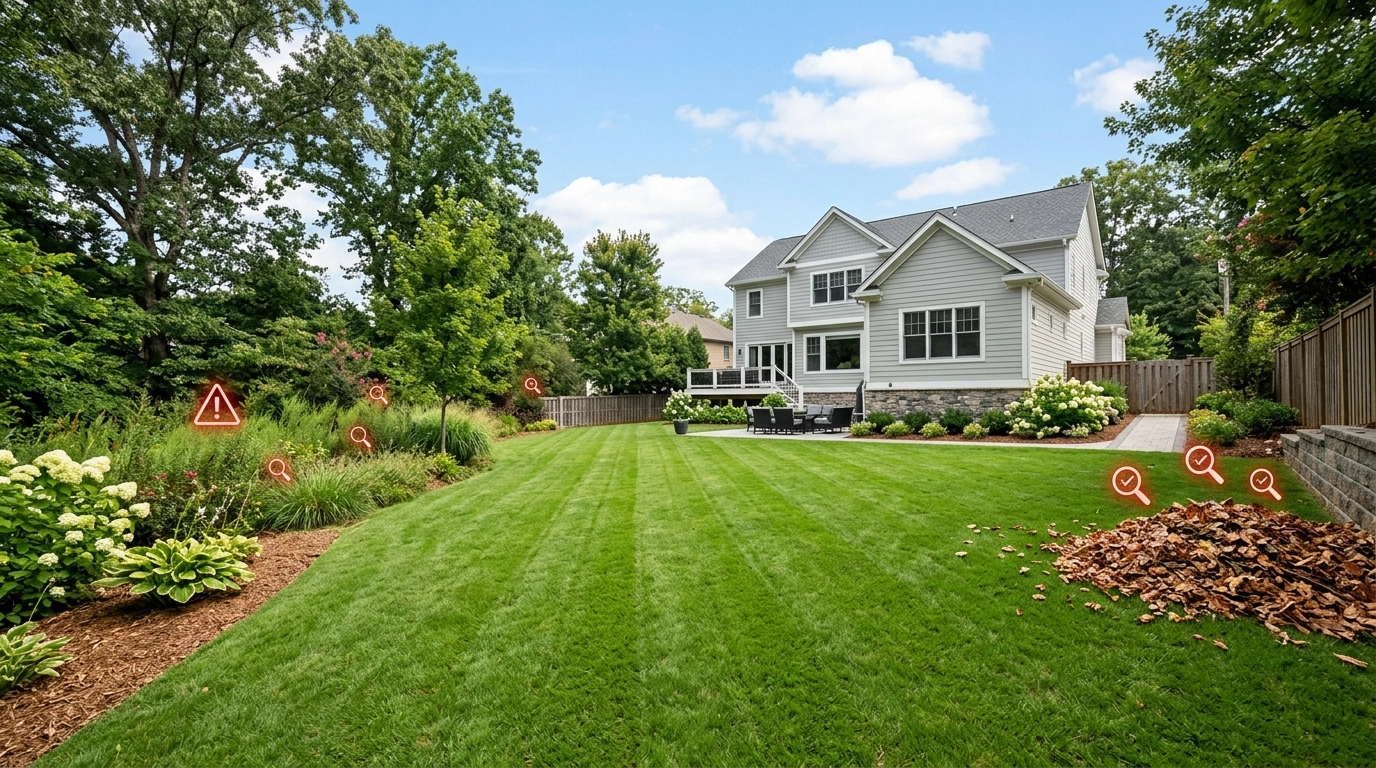
Your backyard in Metro Atlanta should be a sanctuary for Saturday afternoon grilling and kids playing tag. Instead, for many homeowners, it has become a tactical minefield of tiny, blood-sucking hitchhikers. If you are coming back from a simple walk to the mailbox only to find a tick latched onto your ankle, or if your dog is scratching like it’s their full-time job, your yard care strategy has a leak.
At Great American Pest Solutions, we see these mistakes every day. Most people have the best intentions, but without a biological understanding of how these pests survive, you’re essentially rolling out a red carpet for them.
Here are the seven most common mistakes homeowners make with flea and tick yard care and exactly how to fix them.
1. Treating Your Lawn Like a Golf Course (But Forgetting the Edges)
The Problem: You’ve spent hours mowing the main patch of your lawn to a perfect 2.5 inches. It looks great. However, you’ve ignored the "no man’s land" where your grass meets the woods, the fence line, or the decorative shrubs.
Why it matters: Ticks are not fans of the open, sunny center of your lawn. They are "questers." They climb to the very top of tall grass blades or overgrown weeds in shaded areas and wait for a warm-blooded host to brush past. If the perimeter of your yard is overgrown, you’ve created a perfect staging ground for an invasion.
The Fix: Maintain a clear boundary. If your property borders a wooded area, consider a three-foot wide "buffer zone" of wood chips or gravel. This acts as a physical barrier that ticks find difficult to cross. Keep the tall stuff trimmed back, even in areas you don't "use."
2. Allowing Leaf Piles to Become "Pest Condos"
The Problem: Last autumn’s leaves are still hugging the corner of the fence, or you have a pile of brush at the back of the property that you "haven't gotten to yet."
Most likely: These damp, decaying piles provide the exact humidity levels flea larvae and ticks need to survive the Georgia heat.
Less likely: The pests will just "go away" on their own once it gets hotter. In fact, these piles insulate them from the sun.
The Fix: Bag them or mulch them immediately. Eliminating the ground-level clutter removes the "nursery" where fleas transition from eggs to adults.
3. Ignoring the "Wildlife Factor"
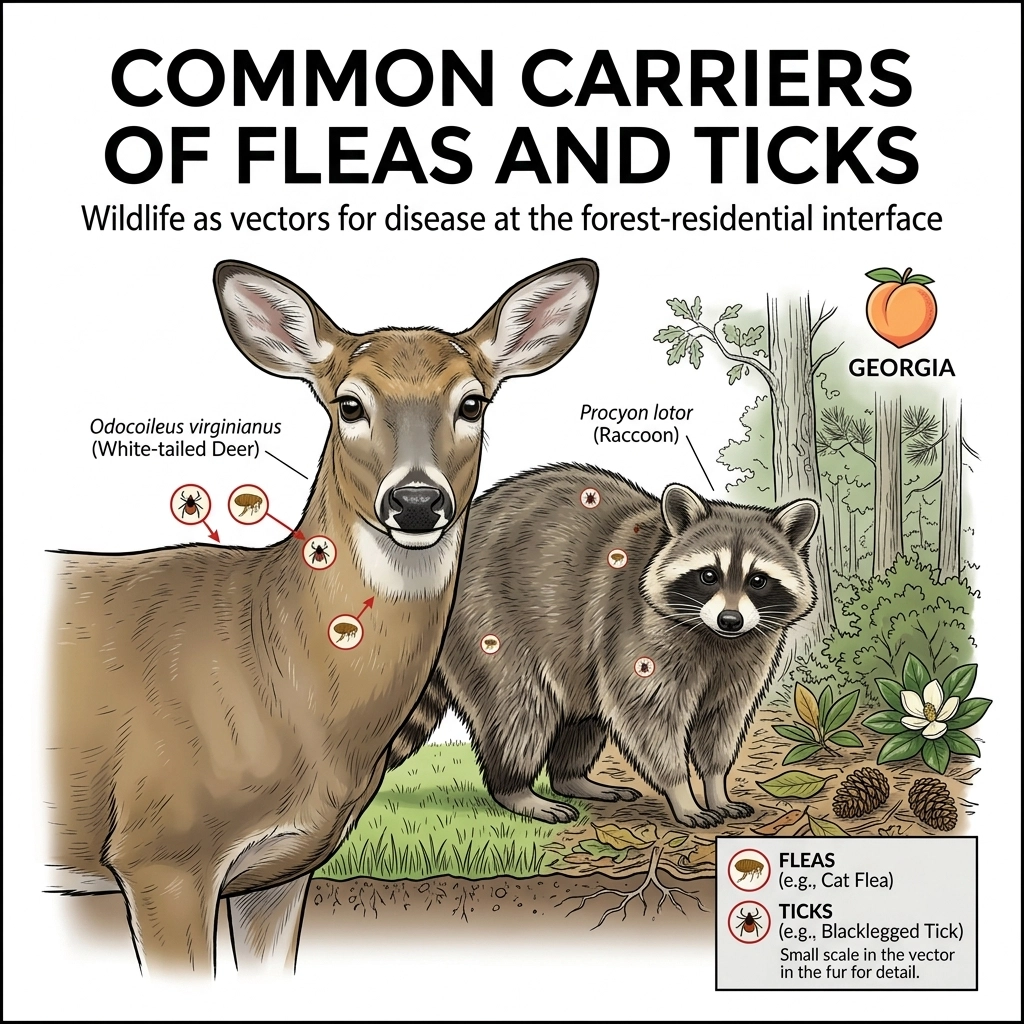
The Problem: You love seeing the deer in your yard or the occasional raccoon scuttling by. You might even have a bird feeder that attracts squirrels.
Why it matters: These animals are the primary transportation system for fleas and ticks. A single deer can carry hundreds of ticks into your yard in one night. If you are feeding the wildlife, you are paying for the transport of the very pests you’re trying to eliminate.
The Fix: Make your yard less attractive to "wildlife Uber drivers." Secure your trash cans, remove bird feeders if you have a known tick problem, and use fencing where possible. If the deer aren't hanging out in your yard, the ticks they carry won't be either.
4. Overwatering (Turning Your Yard into a Swamp)
The Problem: You’re so worried about your grass turning brown in the Atlanta sun that you’ve got the sprinklers running on a heavy rotation.
Technical Detail: Fleas and ticks are highly sensitive to desiccation (drying out). They thrive in high-humidity environments. If your lawn is constantly damp and the soil never has a chance to dry, you are creating a biological paradise for flea development.
The Fix: Water deeply but infrequently. Ideally, water in the early morning so the sun has all day to dry the blades of grass. If you have "soft spots" or drainage issues in your yard, address those first. A dry yard is a hostile yard for a flea.
5. Relying Solely on Pet Collars and Topicals
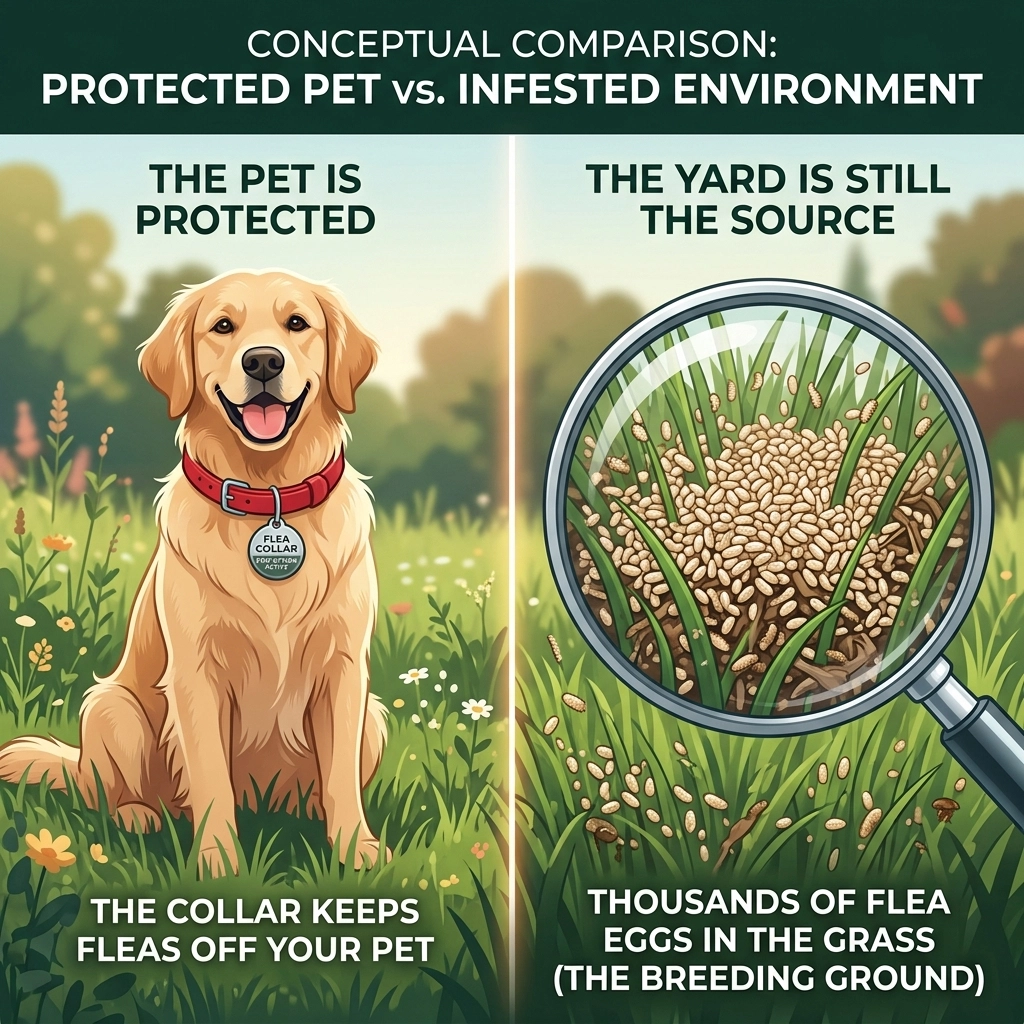
The Problem: You’ve treated your dog or cat with the best veterinarian-recommended flea and tick prevention, so you assume the "pest problem" is solved.
Why it matters: While these treatments are vital for your pet's health, they only address the pests on the pet. If your yard is infested, your pet is simply acting as a mobile flea-killing machine, but the "reservoir" of thousands of eggs and larvae in the grass remains untouched. You’ll never win the war if you only fight the soldiers and ignore the base.
The Fix: Think of pest control as a two-front war. Treat the pet and treat the environment. You need a comprehensive flea control plan that addresses the source of the infestation.
6. Missing the "Shady Spots" During Treatment
The Problem: When people do try to treat their own yards, they often spray the wide-open, sunny parts of the lawn.
Most likely: The sun is actually your best friend here. UV rays and heat naturally kill flea larvae.
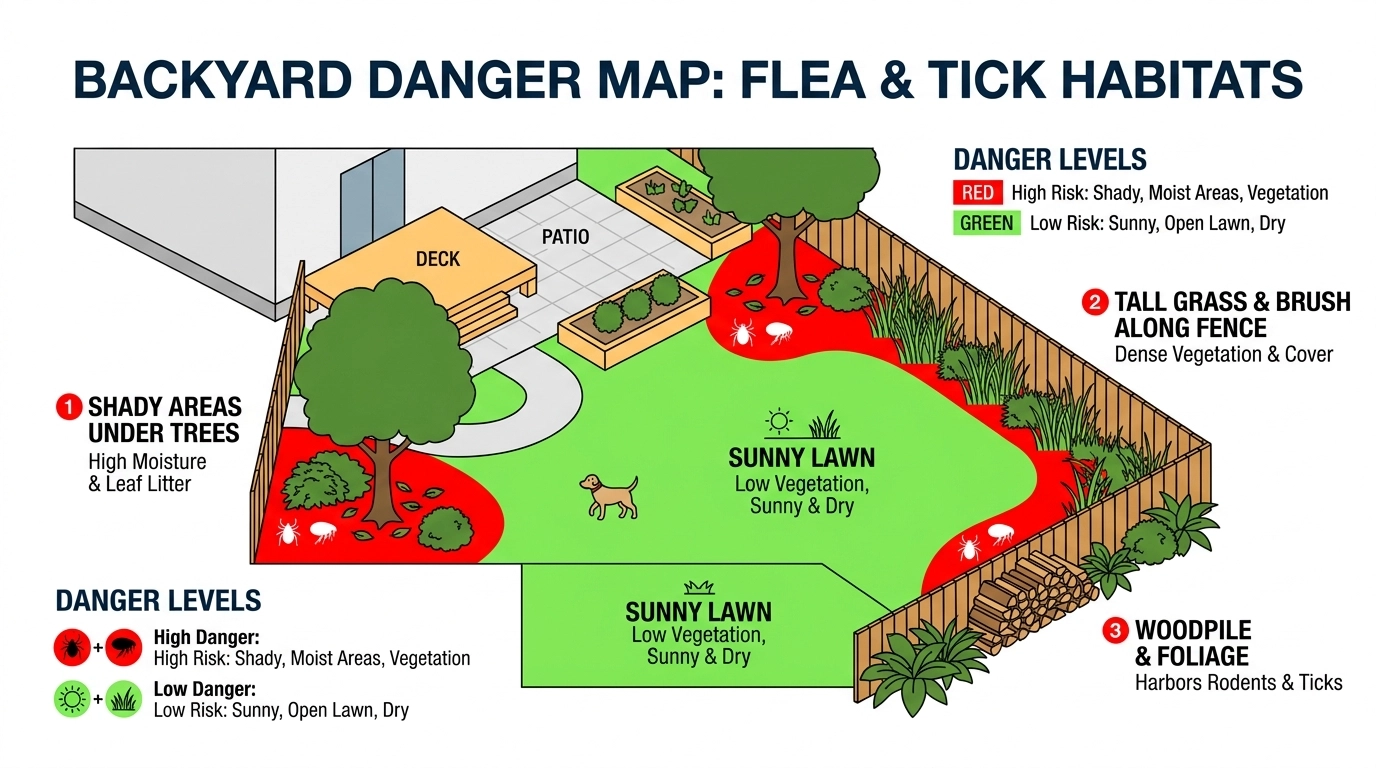
The real target: You should be focusing 90% of your energy on the shaded areas: under the deck, beneath the low-hanging shrubs, and the crawl space entrance. These are the "safe zones" where pests congregate.
The Fix: Map out your yard’s "danger zones." Focus your efforts (or your technician’s efforts) on the areas that never see direct sunlight.
7. The "DIY Loop" (Trying to Solve a Biological Problem with Hardware Store Sprays)
The Problem: You’ve spent $200 at the big-box store on "all-in-one" sprays that haven't worked, and now you’re considering a second round.
Why it fails: Most DIY products are "contact killers." They might kill the adult flea you see today, but they do nothing for the eggs and pupae protected in the soil. Without an IGR (Insect Growth Regulator), the next generation will hatch in 14 days, and you'll be right back where you started.
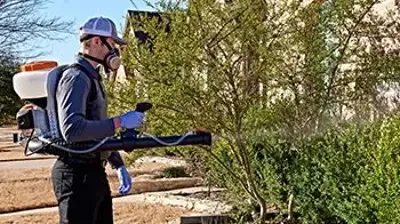
The Fix: This is where professional Atlanta pest control comes in. At Great American Pest Solutions, our approach is biologist-led. We don't just spray; we understand the life cycle of the three different tick species common in Georgia. We use professional-grade treatments that break the reproductive cycle, providing long-term prevention rather than a 48-hour "quick fix."
Peace of Mind is Only One Treatment Away
Flea and tick season in Georgia is long and unforgiving. You shouldn't have to do a "tick check" on your kids every time they come inside from the swing set.
Our experienced technicians use safe, effective, and targeted treatments designed to protect your family and your pets. We focus on the biology of the pest to ensure they don't just leave: they don't come back.
Ready to take your backyard back?
Contact Great American Pest Solutions today for a comprehensive yard evaluation. Let’s get those tiny vampires out of your grass for good.
Technical Summary
Service: Flea and Tick Perimeter Defense
Target Area: Metro Atlanta Residential (Acworth, Brookhaven, Avondale Estates)
Primary Method: Targeted residual application + Insect Growth Regulators (IGR)
Ray ID: 7th-April-2026-GAPS-FLEA-TICK
IP Status: Secured/Protected