
You walk into your kitchen, flip on the light for a midnight snack, and see it: a thin, dark line of ants marching directly across your granite countertops. It’s a frustrating sight for any homeowner in Georgia. Whether they are congregating around a drop of spilled honey or exploring a crumb you missed during dinner cleanup, ants are persistent, highly organized, and surprisingly difficult to evict once they’ve moved in.
At Great American Pest Solutions, we’ve seen a massive uptick in kitchen invasions lately. While there are thousands of ant species, one specific culprit has been dominating our service calls this week. Understanding why they are there and how they operate is the first step toward reclaiming your kitchen.
What is attracting ants to your kitchen?
Ants don't enter your home to annoy you; they are on a mission for survival. Your kitchen is essentially a five-star resort for an ant colony because it provides three essential elements:
- Food Sources: Ants have a highly developed sense of smell. They can detect microscopic food particles from a significant distance. While sugar is a primary motivator, many species also hunt for proteins and fats.
- Moisture and Hydration: Like all living things, ants need water. A leaky faucet, condensation under the sink, or even a damp sponge can provide enough hydration for an entire colony.
- Shelter and Temperature Control: Georgia weather can be unpredictable. When it gets too hot or too wet outside, the climate-controlled environment of your kitchen becomes the perfect refuge.
Which ants are the most common culprits?
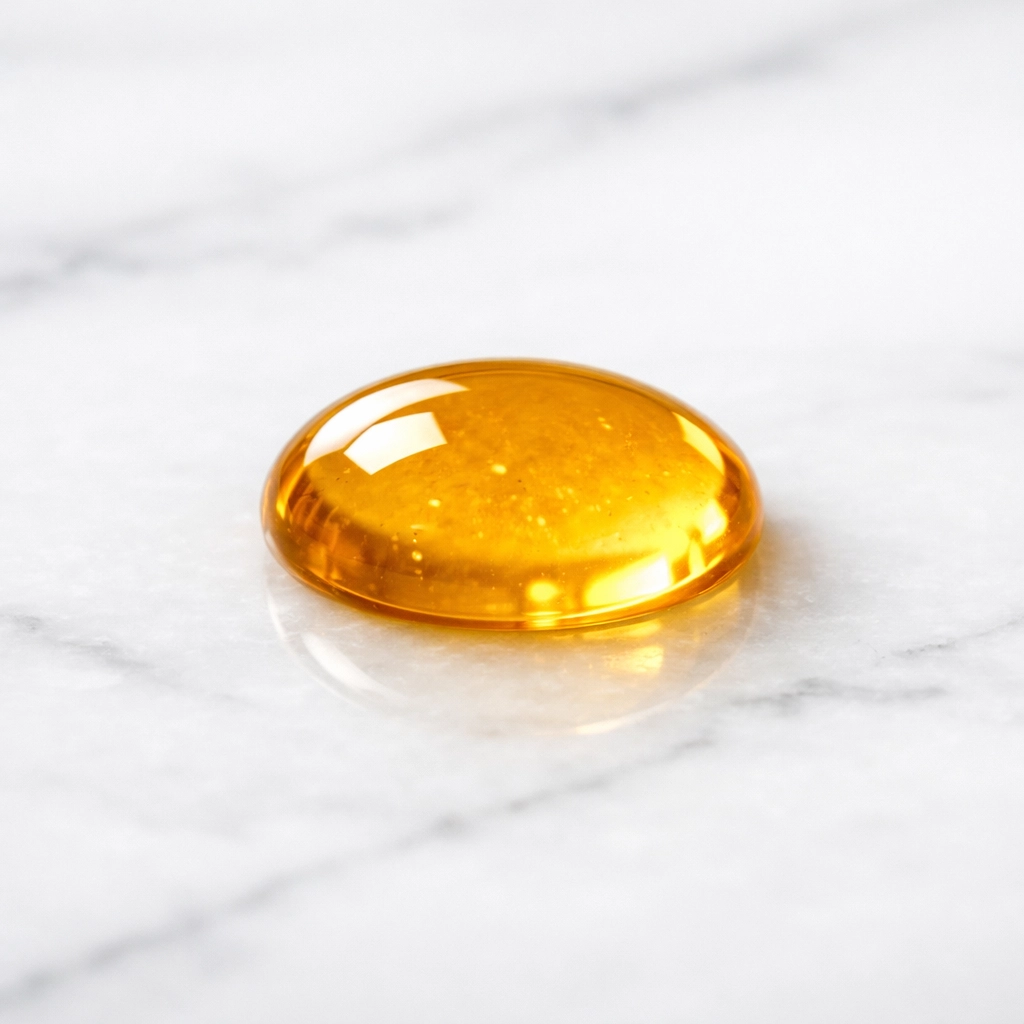
While we deal with many species, the Odorous House Ant (Tapinoma sessile) is currently the most frequent "kitchen raider" we encounter. These ants are small, brownish-black, and move in erratic patterns when disturbed.
Expert Tip from Matt Traylor:
There is a common myth in the pest control world that odorous house ants smell like "rotten coconuts" when crushed. In our experience on the ground here in Georgia, that’s not quite right. If you smash one of these ants and smell it immediately, you’ll notice a very distinct citrus-y or lemony scent. It’s a sharp, pungent odor that is a dead giveaway for this specific species. Knowing exactly what you’re dealing with is the key to effective ant control.
How do they find their way to the counter?
The process usually starts with a single "scout" ant. This lone worker wanders away from the nest looking for resources. Once she finds a food source: like a sugary spill on your countertop: she doesn't just eat and leave.
- Scent Trails: As the scout returns to the colony, she presses her abdomen to the floor and leaves a chemical pheromone trail.
- Recruitment: Other workers follow this scent trail back to the food source, reinforcing the smell as they go.
- The Result: Within an hour, a single crumb can lead to a massive line of ants extending from your baseboards to your toaster.
Where are the primary entry points?
Ants are opportunistic. They exploit the smallest structural vulnerabilities to gain access to your home. Because houses naturally shift and expand: especially during the warmer months: new entry points appear constantly.
- Windows and Doors: Worn-out weatherstripping or gaps in window frames are the most common highways.
- Utility Penetrations: The areas where plumbing pipes or electrical wires enter your walls are often poorly sealed, providing a direct tunnel from the outdoors into your cabinets.
- Foundation Cracks: Microscopic fissures in your home's foundation allow ants to enter from the soil directly into your wall voids.
How can you prevent a kitchen invasion?
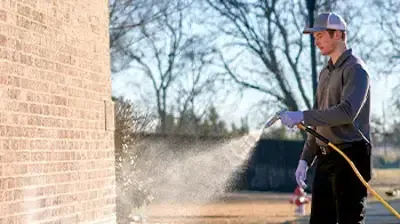
While professional intervention is often necessary for established colonies, you can make your kitchen a much less attractive target by following a few simple protocols.
1. Eliminate the Pheromone Trail
If you see a line of ants, don't just spray them with a household cleaner and call it a day. You need to break the chemical trail. Use a mixture of vinegar and water or a mild soap solution to wipe down the entire path. This confuses the workers and prevents more ants from following the same route.
2. Practice Deep Sanitation
Standard cleaning often isn't enough. To truly deter ants, you must:
- Wipe down the underside of appliances where grease and crumbs accumulate.
- Store all dry goods (cereal, sugar, flour) in airtight plastic or glass containers.
- Never leave pet food bowls out overnight.
- Empty your kitchen trash daily and use bins with tight-fitting lids.
3. Manage Moisture
Check under your sink regularly for slow leaks. If you notice condensation on pipes, consider insulating them. Keeping your countertops bone-dry, especially overnight, removes a major incentive for ants to visit.
4. Seal the Perimeter
Use a high-quality silicone caulk to seal gaps around your backsplash, window sills, and where the floor meets the baseboard. If you can see light through a gap, an ant can get through it.
Why DIY ant control often fails
Many homeowners reach for a can of "ant killer" at the first sign of trouble. However, this can often make the problem worse. Many over-the-counter sprays act as "repellents." While they kill the ants you see, the rest of the colony senses the danger.
In species like the odorous house ant, this can trigger a process called "budding." The colony perceives a threat and splits into several smaller colonies, moving into different areas of your home. What started as an ant problem in the kitchen can quickly turn into ants in the bathroom, laundry room, and bedrooms.
When should you call a professional?
If you have cleaned your kitchen thoroughly and sealed the obvious cracks, but the ants keep returning, you likely have a nest located inside your walls or very close to your foundation.
At Great American Pest Solutions, we don't just spray the surfaces you see. We use a combination of non-repellent liquid treatments and specialized baits. The workers pick up the bait, thinking it’s food, and carry it back to the heart of the colony. This eliminates the source of the problem rather than just managing the symptoms.
Whether you need pest control for Acworth, GA homes or you're looking for Atlanta GA pest control, we are here to help. Our team understands the local environment and the specific behaviors of the pests that live here.

Summary Checklist for a Pest-Free Kitchen
- Identify: Look for the citrus smell to confirm if you have odorous house ants.
- Sanitize: Clean behind the stove and inside the toaster tray.
- Seal: Caulk the gaps around your window frames and plumbing.
- Observe: Watch where the ants go when they leave your counter to find their entry point.
- Call the Pros: Don't risk "budding" the colony with cheap hardware store sprays.
If you’re tired of sharing your breakfast with "Kitchen Raiders," it’s time for a professional solution. Stop searching for "pest control near me" and go straight to the experts who know Georgia pests best.
Contact Great American Pest Solutions today to schedule an inspection and get those ants off your counters for good.