
If you live in Marietta, Smyrna, or Kennesaw, you’ve probably seen them. You’re sitting on your porch enjoying a mild Georgia evening when a spindly, leggy creature the size of a half-dollar comes bouncing off your forehead. Your first instinct is probably to swat it into next week because, at first glance, it looks like a mosquito that’s been hitting the gym and taking experimental supplements.
At Great American Pest Solutions, we get the calls every spring. "Matt, there are giant mosquitoes the size of hummingbirds in my kitchen!"
Take a deep breath. Those "giant mosquitoes" are actually Crane Flies. While they might look like something out of a low-budget sci-fi movie, they are mostly misunderstood neighbors. However, just because the adults won't bite you doesn't mean they aren't causing trouble elsewhere on your property: specifically under your grass.
What is a Crane Fly?
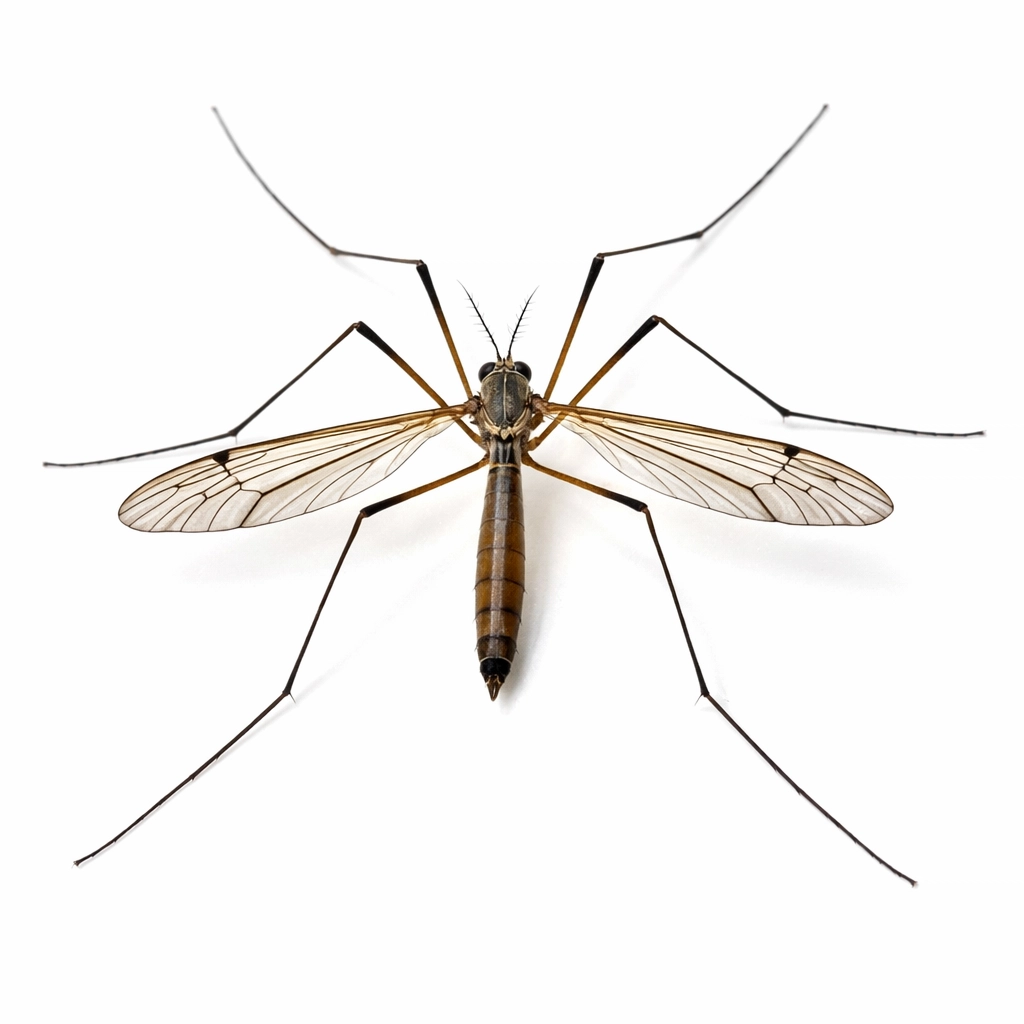
What you're looking at is a member of the Tipulidae family. To the naked eye, they look like a mosquito with an extreme case of "growing pains." They have incredibly long, delicate legs that seem to break off if you even look at them too hard, and a slender body that makes them look like they’d be fast. In reality, they are some of the clumsiest fliers in the insect kingdom.
Most likely: You’ll see them bobbing up and down against your window screens or light fixtures at night.
Less likely: You’ll see them actually flying in a straight line or navigating a room with any sense of direction.
Adult crane flies generally live for only a few days: just long enough to mate and lay eggs. Many species don't even have functional mouthparts as adults. They aren't there to eat your food or drink your blood; they are simply following the lights and trying to find a partner before their very short clock runs out.
Is it a giant mosquito? (Fact vs. Fiction)
The short answer is: No.
It is a common misconception in Metro Atlanta that these are "Mosquito Hawks" or "Skeeter Eaters." People often leave them alone thinking they are doing a public service by hunting down the actual biting mosquitoes. Unfortunately, that is a total myth. Crane flies do not eat mosquitoes. In fact, most adults don't eat anything at all.
Here is the breakdown of why they are frequently confused and why those nicknames are wrong:
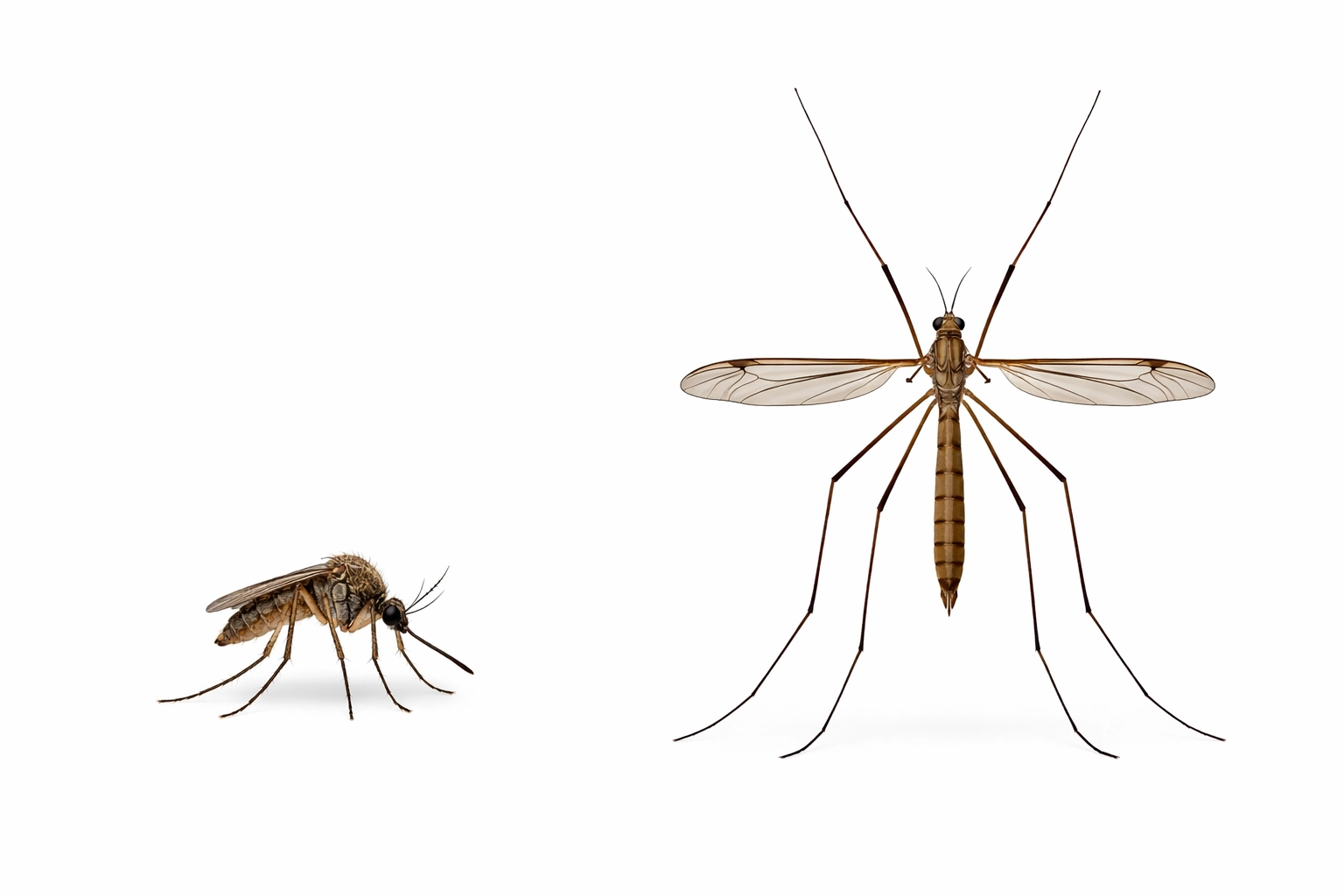
- Size: A standard mosquito is about 1/8 to 3/8 of an inch. A crane fly can reach up to 1.5 inches in body length with a leg span of 3 or 4 inches.
- Posture: When a mosquito lands, it usually has a "humpbacked" appearance. When a crane fly lands, its wings stay spread out wide, and its body remains straight.
- The Bite: Mosquitoes have a proboscis designed to pierce skin and draw blood. Crane flies have no such equipment. They physically cannot bite you.
- The "Hawk" Myth: They don't hunt. They aren't predators. If a crane fly bumps into a mosquito, it was likely an accident.
Why are they inside your home?
If you find one in your house, it’s not because you have a "pest problem" in the traditional sense. They are highly attracted to light (phototactic). When you leave your porch light on or have your curtains open in the evening, they get confused and head toward the glow. Because they are such poor fliers, once they get inside through a crack in a door or a gap in a screen, they spend the rest of their short lives bouncing off your ceiling fans and walls.
While they are harmless to humans and pets, having a handful of three-inch insects fluttering around your living room isn't exactly the "Professional" vibe most homeowners want.
What happened to my lawn?
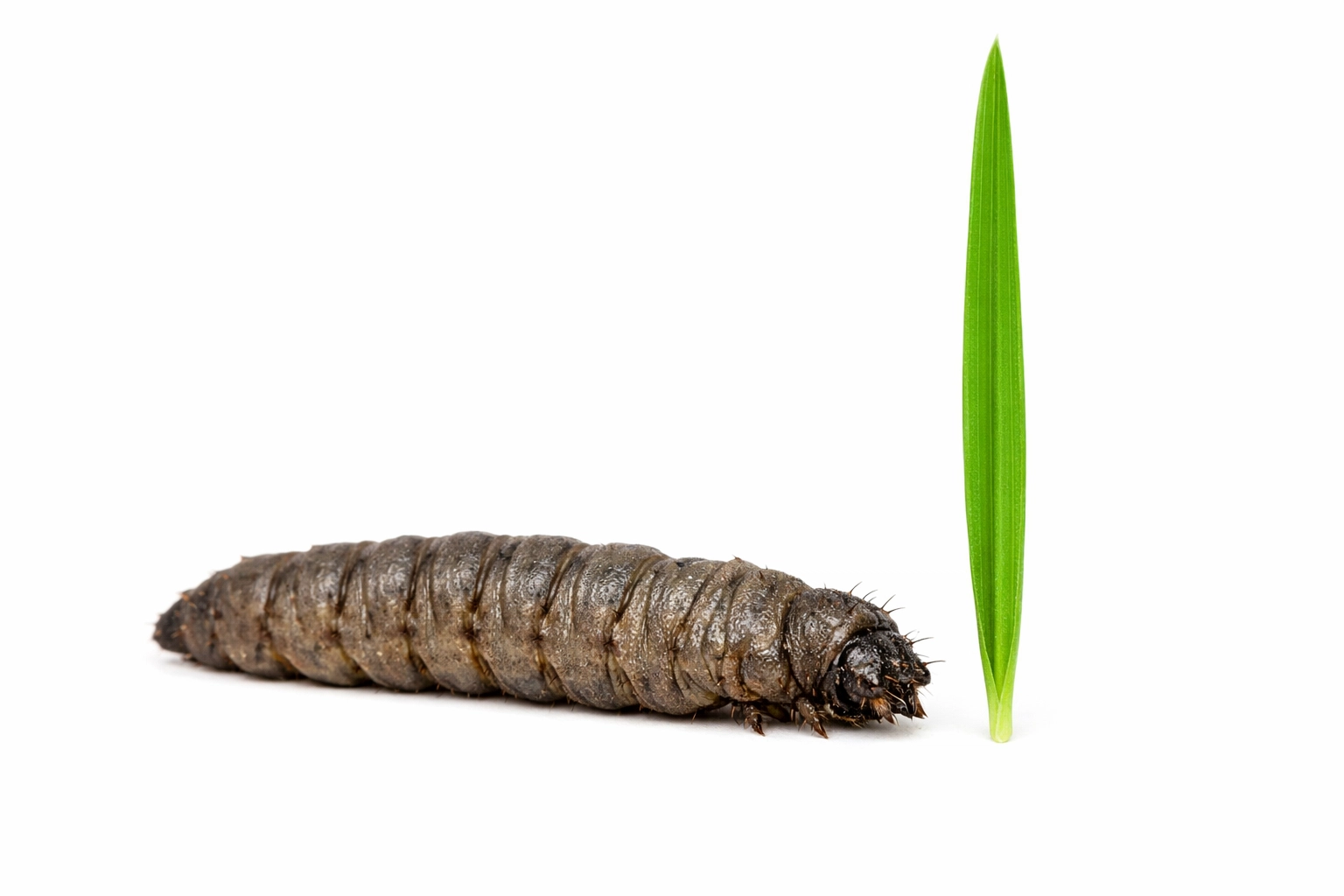
This is where the "neighborly" facade of the crane fly starts to slip. While the adults are harmless bumbling idiots, their larvae: often called "Leatherjackets": are a legitimate concern for homeowners in Marietta and Kennesaw.
After the adults mate, the female lays eggs in moist soil or organic debris. In Metro Atlanta, our humid climate and frequent spring rains provide the perfect nursery. Once those eggs hatch, the larvae begin to feed.
What are Leatherjackets?
- Appearance: They look like small, brownish-grey, legless grubs with a very tough, leathery skin (hence the name).
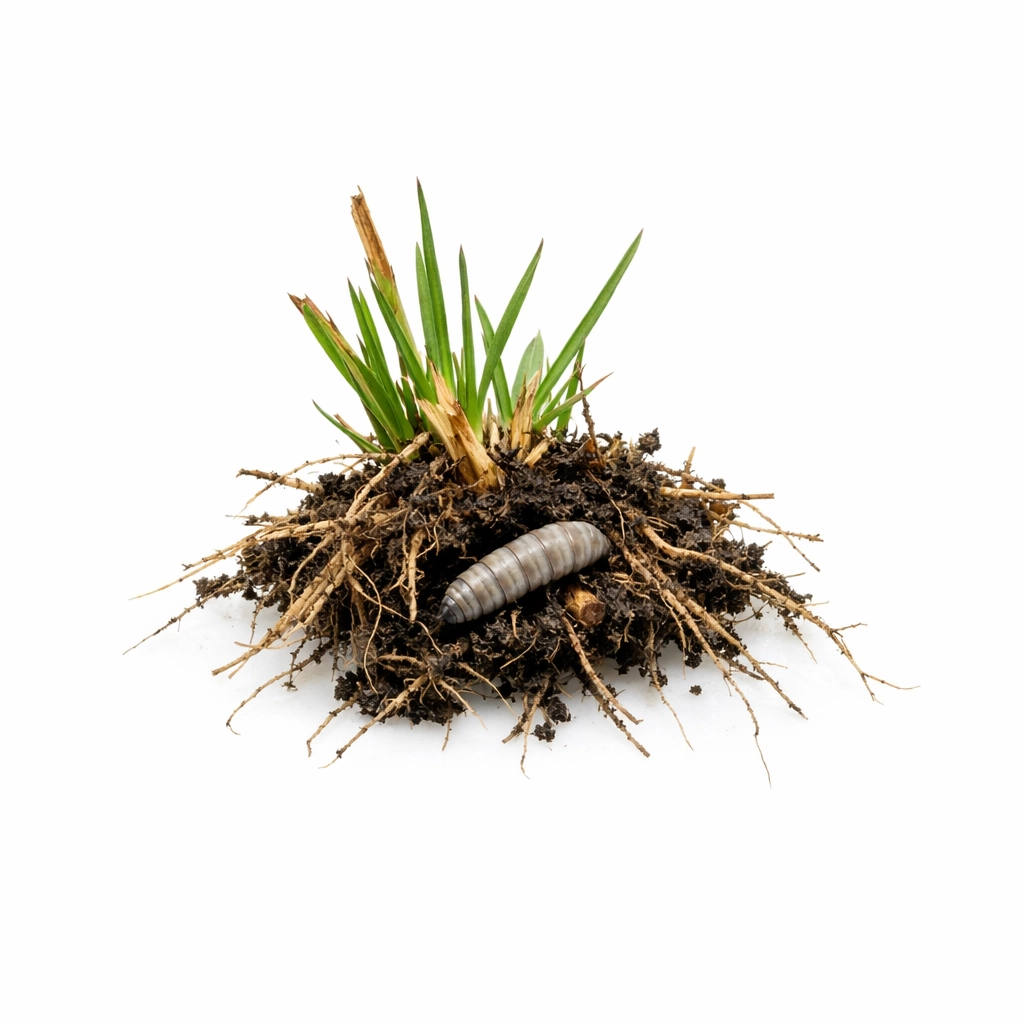
- Diet: They feed on the roots and crowns of your grass.
- Environment: They love damp, poorly drained soil.
If you have a high population of these larvae in your soil, you’ll start to see the evidence. Your lush Bermuda or Zoysia lawn might start looking "thin" or develop brown, patchy spots that don't respond to watering. Because they eat the roots, the grass loses its ability to take up nutrients and eventually dies off.
How can you tell if you have an infestation?
If you see a few crane flies on your screen, don't panic. But if you’re seeing dozens of them emerging from your lawn at twilight, it’s time to investigate.
Signs of a Leatherjacket problem:
- Patchy Turf: Circular or irregular brown spots in the lawn during early spring.
- Increased Bird Activity: If you see robins or other birds constantly pecking at specific areas of your lawn, they aren't just looking for worms; they are likely feasting on the fat crane fly larvae just below the surface.
- Spongy Soil: Areas that stay damp and feel slightly "soft" underfoot are prime real estate for these pests.
What can you do to prevent them?
The best way to handle crane flies is to make your property less attractive to them in the first place. At Great American Pest Solutions, we believe in proactive management.
- Improve Drainage: Since larvae need moisture to survive, fixing low spots in your yard or adjusting your irrigation can significantly reduce their numbers.
- Dethatch Your Lawn: Removing the layer of dead grass and organic matter (thatch) deprives the larvae of a food source and a place to hide.
- Turn Off the Lights: Swapping your outdoor bulbs for "bug lights" (yellow LEDs) can reduce the number of adult crane flies that are drawn to your doors and windows.
Why choose professional help?
If your lawn is already showing signs of damage, DIY treatments often miss the mark. Understanding the specific timing of the crane fly life cycle in Metro Atlanta is crucial. If you treat too early or too late, you’re just wasting money.
Our team at Great American Pest Solutions knows exactly when these pests are vulnerable. We don't just spray and pray; we look at the environment of your home in Smyrna or Marietta and provide a targeted solution that protects your grass without unnecessary chemicals.
Rather than waiting days or weeks for a big-box company to put you on a schedule, we handle your pest issues fast. We provide straightforward service and real results, treating your home with the care it deserves.
Conclusion
The crane fly is a classic example of "looks can be deceiving." They aren't giant mosquitoes, and they aren't "mosquito hawks." They are clumsy, short-lived insects that are mostly a nuisance to your porch lights and a threat to your lawn's root system.
If you’re tired of these leggy intruders bouncing off your head, or if you’ve noticed your lawn isn’t looking as green as it should be, give us a call. We’ve been serving the Metro Atlanta area with professional, neighborly service that gets the job done right the first time.
Contact Great American Pest Solutions today at 404-301-3005 or visit our Request Service page to get an expert out to your property.
Whether it’s ants, rodents, or these weird "giant mosquitoes," we’ve got you covered.
Transparency Details:
- Service Provider: Great American Pest Solutions
- Technician ID: MT-01 (Owner/Operator)
- Location Focus: Marietta, Smyrna, Kennesaw, GA
- Reference Code: CF-2026-ATL

Do you have questions about other pests? Check out our blog for more "Pest of the Week" deep dives!